Designing a Precision Electromechanical Platform for DNA Immunotherapies
Client Need & Project Overview
Electroporation delivery systems use controlled electrical pulses to temporarily permeabilize cell membranes, enabling improved uptake of DNA-based immunotherapies.
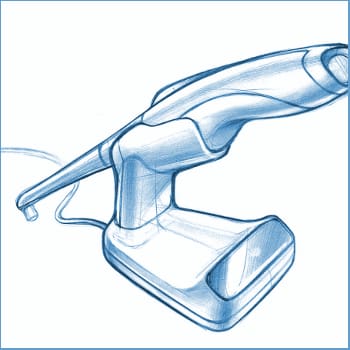
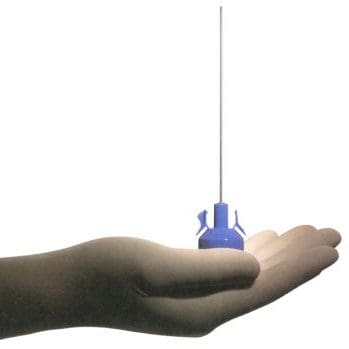
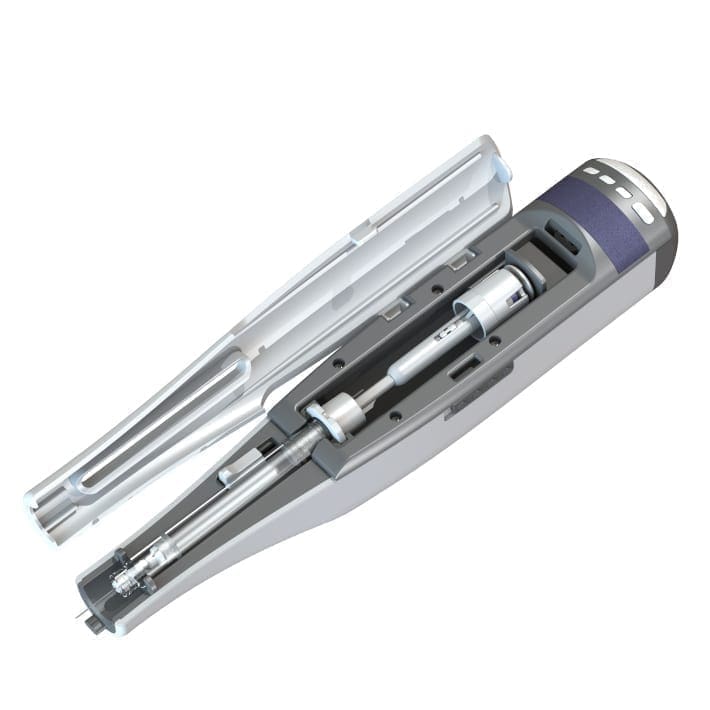
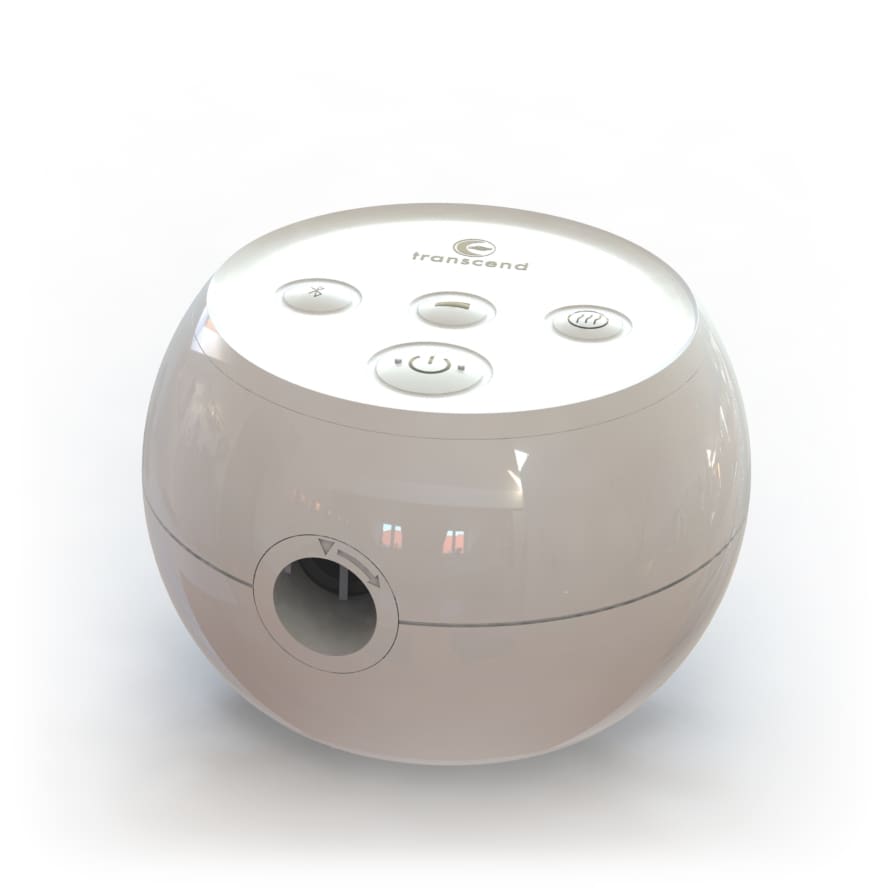
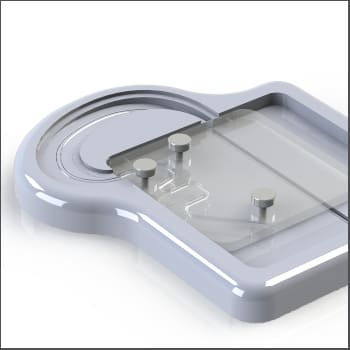
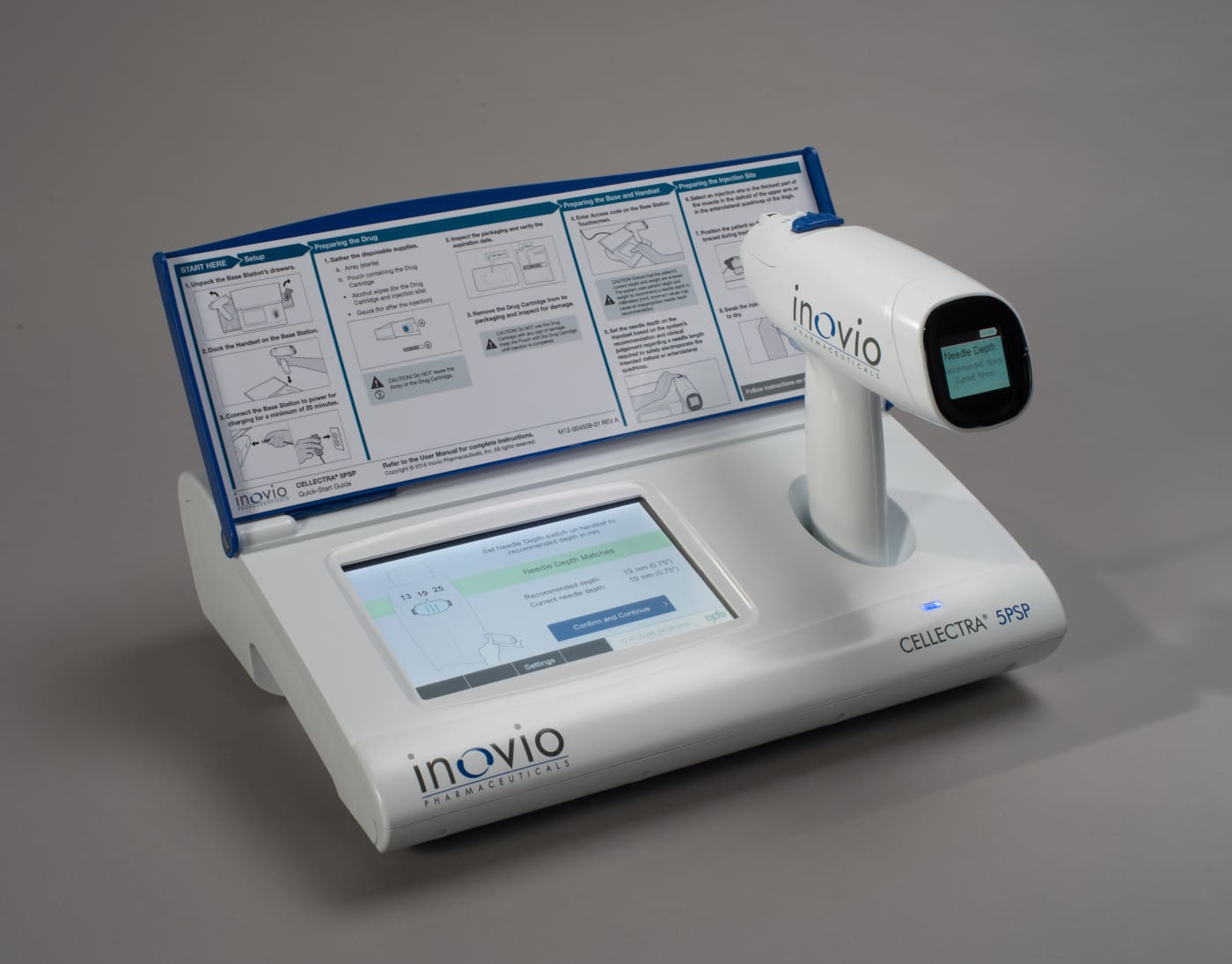
Inovio Pharmaceuticals, a leader in DNA-based immunotherapies and electroporation, selected NOVO to support the development of a next-generation electroporation delivery system. The system included a durable handset, a base station for charging and user interface, and a disposable electrode array.
NOVO worked with the development team for over two years, supporting the program through Phase II clinical trials and into manufacturing. Our scope included enclosure design, electronics packaging, mechanism design, and electromechanical integration across these components, along with verification testing, design controls, and manufacturing transfer.
Key Engineering Challenges & Solutions
| Challenge | Solution |
|---|---|
| Coordinating complex electromechanical actions | Developed integrated mechanisms and control strategies for injection, retraction, and system transitions |
| Verifying correct device operation | Implemented sensor-based feedback including position and force sensing |
| Cost constraints for disposable components | Designed electrode array for manufacturability and cost efficiency |
| Balancing complexity with reliability | Simplified architecture while maintaining performance and safety |
Technical Innovations & System Design
Mechanism and Device Architecture
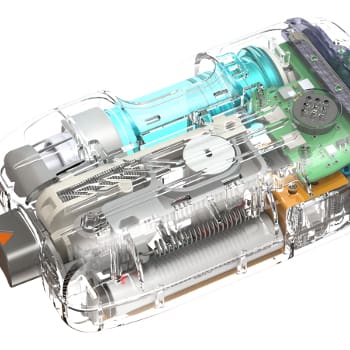
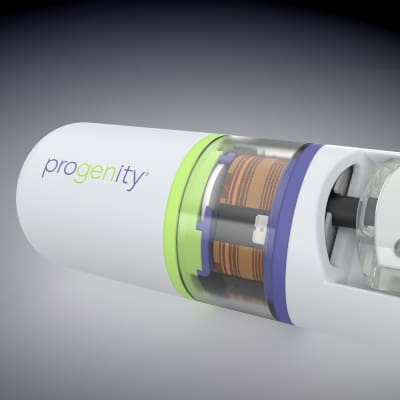
NOVO developed robust mechanisms for electrode array attachment, needle retraction, and plunger advancement. These systems were designed for reliability and repeatability, ensuring consistent device performance across a range of use conditions and consumable configurations.
NOVO’s mechanical engineering team developed the enclosure and physical user interface based on industrial design and user experience work performed by a partner firm.
Sensing and Controls
Novel position and force-sensing methods were implemented to confirm device status, including deriving motor torque from PWM signals. This approach enabled reliable feedback on system behavior without requiring additional dedicated sensors, reducing system complexity while maintaining precise control.
System Integration
NOVO coordinated across multiple organizations responsible for industrial design, electronics, firmware, and human factors, ensuring the system functioned as a cohesive product.
Verification, Validation, and Manufacturing Transfer
NOVO managed the verification testing program, including development of test plans, design of jigs and fixtures, test execution, and reporting.
For the portions of the system under NOVO’s control, the team generated comprehensive design control documentation, including requirements, risk analysis, design failure modes and effects analysis (DFMEA), design specifications, CAD models, and engineering drawings incorporated into the design history file (DHF) and device master record (DMR).
During manufacturing transfer, NOVO developed manufacturing processes, drafted manufacturing process instructions (MPIs), and conducted process failure modes and effects analysis (PFMEA) to support production readiness.
Results & Impact
The system delivered integrated electromechanical performance and supported clinical and manufacturing readiness, with key components delivered ahead of schedule.
Let’s Talk About Your Project
If you are developing a medical device that requires precise electromechanical design, integrated sensing, or support through verification and manufacturing transfer, NOVO Engineering can help.
Let’s start a conversation about your goals.